

Trump’s f-bomb: a psychologist explains why the president makes fast and furious statements
Kahneman says that system one is a bit of a “workaholic”, beavering away all the time, making “suggestions” for system two to endorse. Good decisions – depend upon system two checking the suggestions of system one. But system one often jumps quickly and unconsciously to certain conclusions. System two should check them, but often doesn’t, even when it would be easy.
Here is a well-known example. Answer the following question: “A bat and ball cost one pound ten pence, the bat costs one pound more than the ball. How much does the ball cost?”
One answer looks blatantly obvious – but it isn’t correct. The correct answer (after a bit of thought) is five pence.
About 80% of university students give the very quick and incorrect answer of ten pence because it “looks” right. Their system two never checked.
In many people, it seems system two is not used nearly enough. There are striking individual differences in the way that people rely on emotion and gut instinct versus the rational system in making decisions.
Emotional decisions?
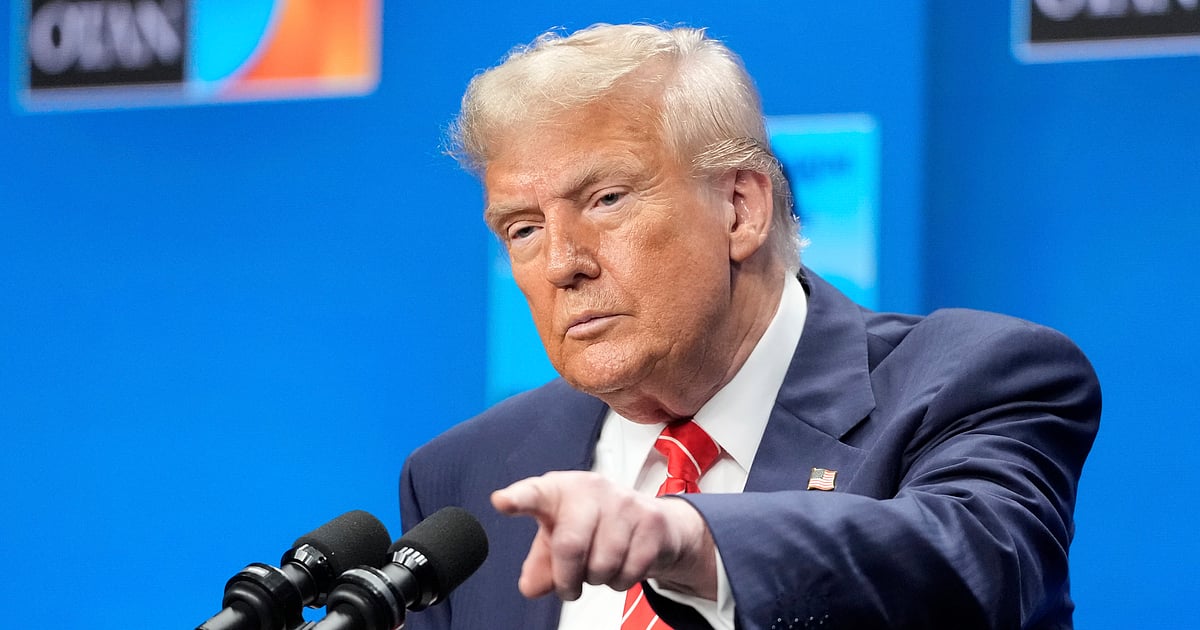
It appears that Trump makes decisions very quickly (classic system one), often without extensive deliberation or consultation with advisers. Both in his presidency and in his business career, he seemed to prioritise immediate action over any sort of prolonged and thoughtful analysis. That’s why he changes his mind so often.
His decisions seem to be driven by strong emotions. His response to events, opponents and issues are often passionate and visceral. This could lead to to decisions being unduly influenced by personal feelings, first impressions based on arbitrary cues, and interpersonal perceptions, rather than anything more substantial.
Trump’s style of decision-making emphasises immediacy and emotional conviction, which can be effective in rallying supporters and creating a sense of decisiveness. However, it also can lead to unpredictable outcomes and, as has been seen again and again, somewhat controversial, impulsive actions.
Many suggest that Trump’s decision-making style reflects his background in the high-pressure and high-stakes world of business, where quick judgements and gut instinct can be advantageous in these sorts of competitive winner-takes-all environments
But the world at war is a more precarious place, where system one needs to be kept more firmly in check. Gut instincts may have a role to play, but that old lazy system two needs to be more vigilant. Especially, it would seem, in Trump’s case.
This article features references to books that have been included for editorial reasons, and may contain links to bookshop.org. If you click on one of the links and go on to buy something from bookshop.org The Conversation UK may earn a commission.
Geoff Beattie, Professor of Psychology, Edge Hill University
This article is republished from The Conversation under a Creative Commons license. Read the original article.

Advertising by Adpathway