

NPR sues Trump admin over executive order to cut US government funding to public media
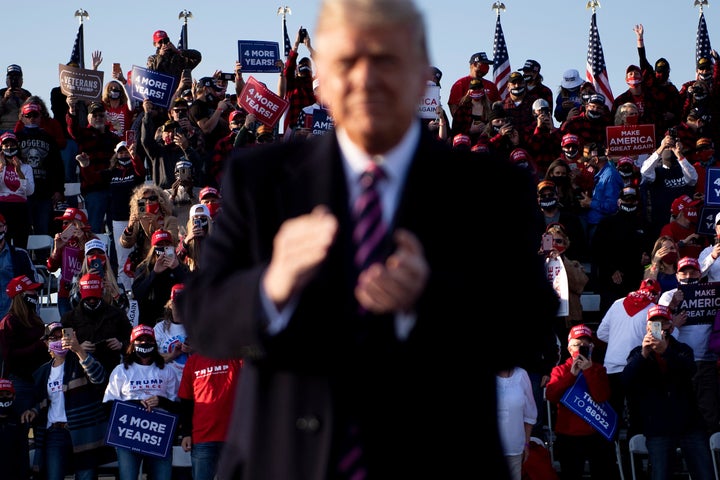
Trump hasn’t hidden his feelings about NPR, calling it a “liberal disinformation machine” in an April social media post.
The court fight seemed preordained, given that the heads of NPR and PBS both reacted to Trump’s move earlier this month with statements that they believed it was illegal. The absence of PBS from Tuesday’s filing indicates the two systems will challenge this separately; PBS has not yet gone to court, but is likely to soon.
“PBS is considering every option, including taking legal action, to allow our organization to continue to provide essential programming and services to member stations and all Americans,” PBS spokesman Jeremy Gaines said Tuesday.
Trump is in other legal disputes with news organizations
The president's attempts to dismantle government-run news sources like Voice of America and Radio Free Europe/Radio Liberty have also sparked court fights.
The administration has battled with the press on several fronts. The Federal Communications Commission is investigating ABC, CBS and NBC News. The Associated Press also went to court after the administration restricted access to certain events in response to the organization's decision not to rename the Gulf of Mexico as Trump decreed.
The lawsuit says 11% of Aspen Public Radio's budget is provided by the Corporation for Public Broadcasting. It is 6% for the Colorado Public Radio, a network of 19 stations, and 19% of KUTE's budget. That station was founded in 1976 by the Southern Ute Indian Tribe.
NPR notes that the order attempts to prohibit individual stations in NPR's system from using any federal money to buy NPR programming, like “All Things Considered,” the most listened-to afternoon radio news program in the country, its early counterpart “Morning Edition” and cultural programming like the Tiny Desk concerts.
The order “directly interferes with editorial independence by requiring them to seek programming elsewhere,” the lawsuit said.
NPR says it also provides infrastructure services to hundreds of public radio stations and without it, their coverage area would shrink. It also provides the backbone for emergency alert systems across the country.
“Public broadcasting is an irreplaceable foundation of American civic life,” Maher said. “At its best, it reflects our nation back to itself in all our complexity, contradictions and commonalities and connects our communities across differences and divides."

Advertising by Adpathway