

Brazilian Stock Market Falls Amid Global Uncertainty and Domestic Concerns
The Brazilian stock market (B3) ended February 28, 2025, on a sour note, with the Bovespa index (IBOVESPA) dropping 1.60% to close at 123,780 points. The decline marked a one-month low as global and domestic factors weighed heavily on investor sentiment.
The day reflected a broader sell-off in international markets, driven by escalating geopolitical tensions and disappointing economic data.
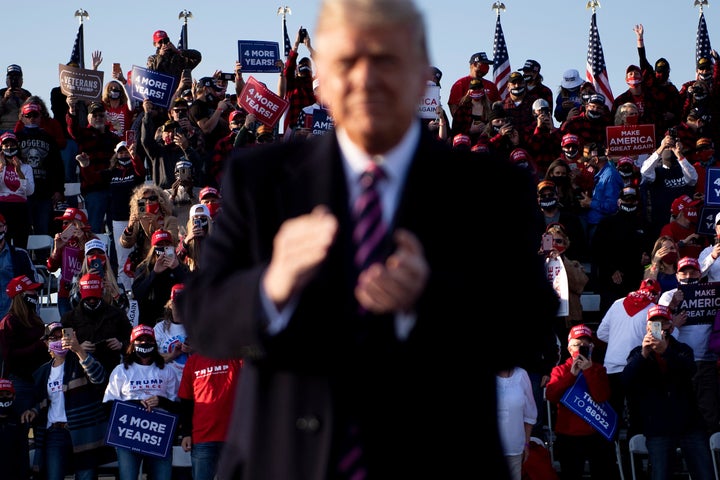
U.S. President Donald Trump’s announcement of new tariffs on imports from Canada, Mexico, and China rattled global markets. This policy move heightened fears of a prolonged trade war, sparking risk aversion across equities worldwide.
Asian and European markets also suffered losses, while U.S. indices showed mixed results by the close, with the Dow Jones up 0.39%, the S&P 500 rising 1%, and the Nasdaq gaining 1.63%. However, these gains came after a volatile session marked by concerns over inflation and slowing growth.
Domestically, Brazil’s economic outlook added to the pessimism. A weaker-than-expected GDP forecast for Q1 2025 compounded worries about the country’s ability to navigate global headwinds.
Brazil’s current account deficit surged to $8.7 billion in January 2025, nearly doubling from a year earlier, as reported by the central bank. Foreign direct investment (FDI) covered only $6.5 billion of this shortfall, raising concerns about external financing sustainability.
The day’s trading saw mixed performances among individual stocks. Marcopolo SA rose 2.80% to R$7.35 ($1), buoyed by strong export demand and solid earnings results.
Eletrobras gained 2.60% to R$38.22 ($6), supported by optimism around privatization efforts. On the losing side, Marfrig Alimentos SA plunged 10.15% to R$13.63 ($2), hurt by rising input costs and weak earnings guidance.
Trading volumes on B3 were slightly below average as investors remained cautious amid heightened volatility.
ETF flows also reflected this sentiment; cryptocurrency ETFs experienced significant outflows globally, with Bitcoin ETFs losing approximately $266 million in net assets.
Brazilian Stock Market Falls Amid Global Uncertainty and Domestic Concerns
Technically, the IBOVESPA tested its support level near 123,000 points but remained below its 50-day moving average, signaling bearish momentum. Analysts noted oversold conditions with a Relative Strength Index (RSI) suggesting potential for a short-term rebound.
Market participants voiced concerns about the challenging environment. Patrick Munnelly of Tickmill remarked that “the escalation of tariffs has spooked global markets,” while local analysts highlighted Brazil’s economic vulnerabilities as additional pressure points.
The combination of global uncertainty and domestic challenges leaves investors wary as they look ahead to key developments in trade policies and economic data for signs of stabilization or further turmoil in March.

Advertising by Adpathway