

Dozens killed, including soldiers, in Algerian wildfires
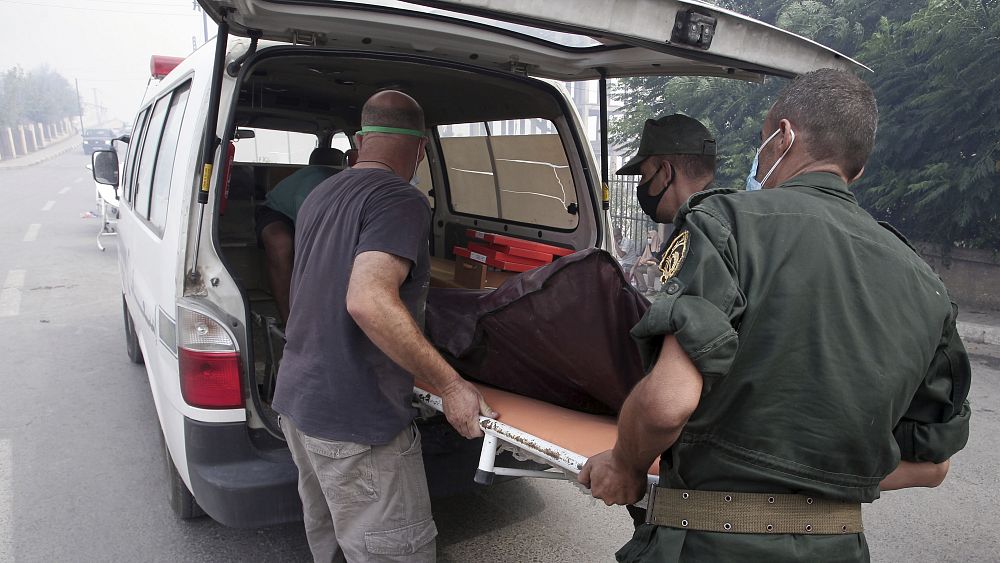
Algeria’s president announced Tuesday night that 25 soldiers have been killed saving residents from the wildfires ravaging forests and villages east of the capital, adding to the fire death toll this week in the North African nation.
President Abdelmadjid Tebboune tweeted that the soldiers saved 100 citizens from the blazes in two areas in the mountainous Kabyle region, home of the Berbers. Four other soldiers were seriously burned fighting the fires and seven others also had burns, the Defense Ministry said.
At least 17 civilians have also lost their lives in Tizi Ouzou and Setif, according to an evening update by Prime Minister Aïmène Benabderahmane.
Dozens of blazes sprang up Monday in the mountainous Kabyle region and elsewhere, and Algerian authorities sent in the army to help citizens battle blazes and evacuate. Multiple fires were burning through forests and devouring the olive trees, cattle and chickens that provide the livelihoods of families in the Kabyle region.
The Kabyle region, 100 kilometres east of Algeria’s capital of Algiers, is dotted with difficult-to-access villages and has limited water. Some villagers were fleeing, while others tried to hold back the flames themselves, using buckets, branches and rudimentary tools. The region has no water-dumping planes.
Other northern areas of Algeria also had active wildfires. The Civil Protection authority said on Algerian radio that seven people had died, six in Kabyle and a man in his 80s trying to save his animals in the Setif region to the east. It counted 41 blazes in 18 wilayas, or regions, as of Monday night, with 21 of them burning around the Kabyle capital of Tizi Ouzou.
Interior Minister Kamel Beldjoud travelled to Kabyle to assess the situation Tuesday and appeared to blame some of the wildfires on arson. He said six residents of Kabyle had died in the fires, but other media cited a higher death toll.
“Thirty fires at the same time in the same region can’t be by chance,” Beldjoud said on national television, although no arrests were announced.
At a Council of Ministers on July 25, Tebboune ordered the drafting of a bill to severely punish perpetrators of arson attacks on forests, with sentences of up to 30 years' imprisonment or even life imprisonment if the fire caused the death of individuals.
At the beginning of July, three people suspected of being involved in fires that ravaged 1,500 hectares of forest in the Aurès massif (north-east Algeria) were arrested.
Climate scientists say there is little doubt climate change from the burning of coal, oil and natural gas is driving extreme events, such as heatwaves, droughts, wildfires, floods and storms. A worsening drought and heat – both linked to climate change – are driving wildfires in the U.S. West and Siberia. Extreme heat is also fueling the massive fires in Greece and Turkey.

Advertising by Adpathway